How Consolidating Waste Pickups Cuts Costs And Keeps Waste Out Of Landfills
To reduce waste collection costs, businesses need to look beyond the dumpster and focus on pickup frequency. Compaction allows loose material to take up less space, which can reduce hauler visits. Instead of relying on garbage trucks seven days a week, consolidate waste collection into just one pickup.
Bay Area Trash Compactor began with a simple belief that still guides our work. We want to keep more waste out of landfills while helping businesses run better. When a property sends fewer trucks to its site and handles material more efficiently, everyone benefits.
Why We Started This Company
We started this company because waste should not create unnecessary costs for hardworking businesses. Too many properties were paying for frequent pickups when their waste could be managed more efficiently. We saw a chance to make a practical difference through better equipment.
Our mission has always been grounded in real operations. Business owners need systems that save money, keep waste areas cleaner, and reduce distractions for their teams. Nobody wants to spend valuable work hours managing overflowing bins.
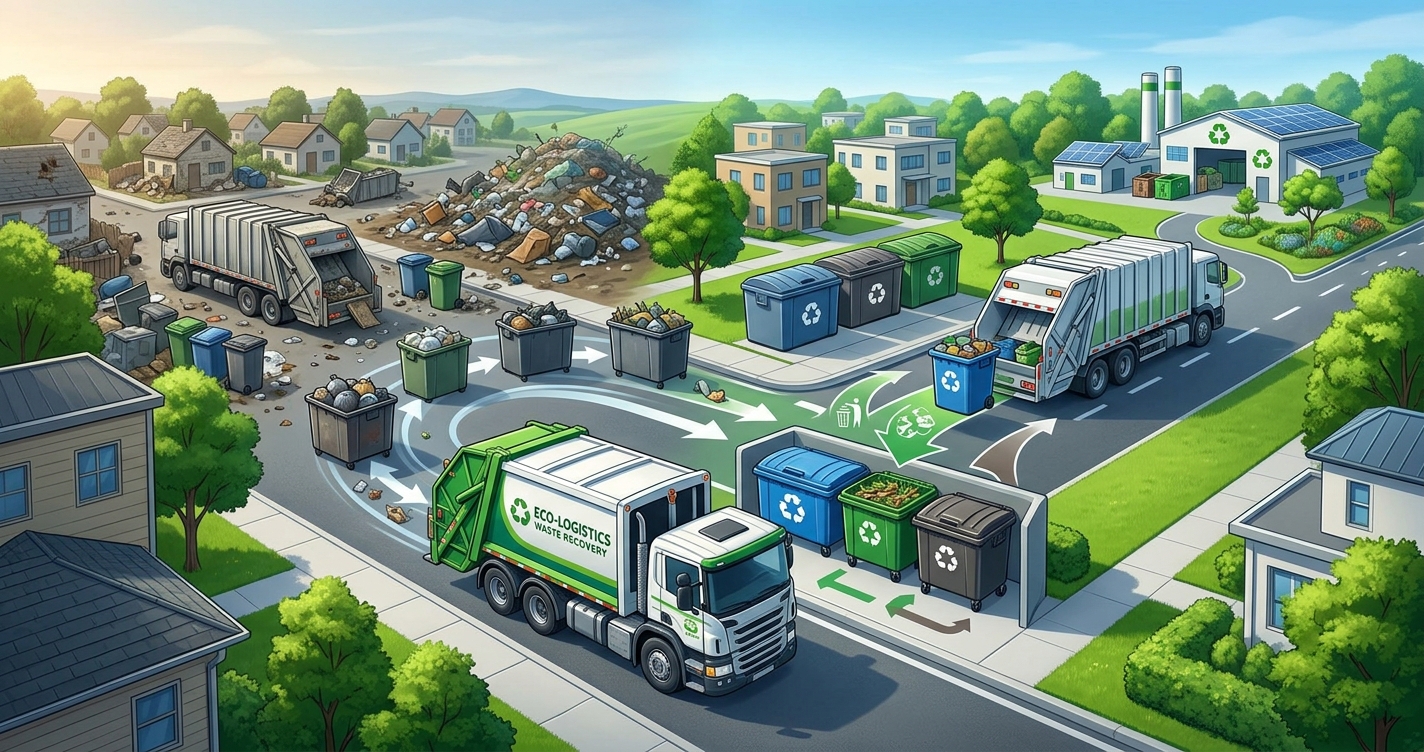
We have seen the difference that proper equipment can make. A cluttered trash area can become organized, safer, and easier to manage. A busy facility can replace daily hauling with a schedule that makes more sense.
Less waste, fewer truck trips, lower labor costs, and more money saved. That is good for the environment and good for your business. It is also the kind of result that keeps our work meaningful.
The Math Of Pickup Frequency
Daily pickup service is often the most expensive way to handle commercial waste. Every waste hauler visit adds transportation, labor, fuel, and disposal costs to the bill. When bins fill with loose garbage, businesses pay for hauling air along with their trash.
A compactor changes the math by increasing the amount of material stored in one container. The compaction ratio measures how much a machine reduces loose waste volume. Higher compaction can mean fewer collection visits during the month.
To reduce waste collection costs, start by comparing your current pickup schedule against the actual volume. Many businesses still use a service plan created before their operations changed. New waste equipment can make that old schedule unnecessary.
| Waste Collection Approach | Truck Trips | Labor Impact | Monthly Cost Pressure |
| Daily loose-waste pickups | High | Frequent bin checks | Highest |
| Several weekly pickups | Moderate | Ongoing cleanup | Moderate |
| Consolidated compacted pickup | Lower | Less waste handling | Lower |
A retail property can move from multiple weekly pickups to one scheduled pickup after installing the right equipment. Bay Area Trash Compactor has helped clients reduce trash and recycling costs by 35 to 75 percent. Those savings can free up money for operations, staffing, or facility improvements.
How Compaction Works
Compaction uses pressure to reduce the space loose waste occupies. A compactor loads material into a chamber, compresses it, and stores it until collection. This process helps businesses manage more waste with less container space.
Most commercial compactors use hydraulic power to push material into a dense load. Trash bags, mixed garbage, packaging, and other approved materials are compressed inside the unit. The stored load stays in place until the waste hauler arrives.
Our guide on how trash compactors work explains the compaction process in more detail. The basic idea is simple, yet the financial impact can be substantial. Businesses store more material before paying for another pickup.
To reduce waste collection costs, the compactor must match the waste stream and property layout. A high-volume warehouse may need a different setup than a restaurant or hotel. We evaluate material type, loading access, and collection needs before making recommendations.
A properly sized system also helps keep waste enclosures from becoming crowded. Staff spend less time moving loose bags or breaking down overflowing bins. That makes the waste area safer and easier to work around.
The Environmental Payoff
Fewer waste truck trips can lower greenhouse gas emissions from collection routes. Compaction helps reduce pickups by storing more waste before collection becomes necessary. That creates a direct link between operational savings and landfill diversion efforts.
Every truck trip uses fuel and adds traffic around commercial properties. Reducing collection frequency means fewer heavy vehicles coming through loading areas and parking lots. It also reduces noise near customers, tenants, and neighboring businesses.
Bay Area Trash Compactor reports emissions savings of 60 to 80 percent per month when businesses reduce waste and recycling pickups. That figure reflects the impact of fewer trips and better material handling.
The circular economy depends on keeping useful materials in circulation longer. Cardboard, metals, and other recyclables should be separated before they are mixed with landfill trash. Compaction and baling equipment can help businesses manage that material more effectively.
Our sustainability expertise supports businesses looking for practical ways to improve waste systems. Better waste equipment can support environmental goals without making operations more complicated. The best approach should work in the real world, not only in a presentation.
Cardboard As An Asset
Cardboard can become a recycling asset when businesses keep it separate from trash. A baler compresses flattened boxes into dense bundles that are easier to store and collect. This can reduce clutter while opening the door to recycling revenue.
Warehouses, retailers, restaurants, and distribution facilities often receive mountains of cardboard each week. Leaving boxes loose near a loading dock takes up room fast. It can also create safety issues for employees moving inventory.
A baler compresses cardboard into compact bales that take up far less space. Some bales can be collected for recycling rather than added to the landfill waste stream. That helps improve diversion rates while reducing the need for separate cardboard bins.
The benefits of a cardboard baler extend beyond keeping loading areas neat. Baled material can reduce labor spent flattening boxes by hand. It gives businesses a cleaner, more organized path for recyclable material.
Businesses that want to reduce waste collection costs should review their cardboard volume carefully. Cardboard often fills containers faster than expected, especially during delivery-heavy periods. Separating it can make the trash compactor work more efficiently.
Six Steps To Start Reducing Waste Today
Reducing waste starts with understanding what your property throws away each day. The process does not need to be complicated, though it should be based on real material flow. These six steps can help facilities move toward a more efficient setup.
- Review your current waste hauler invoices and pickup frequency.
- Watch where trash, cardboard, and recyclables build up onsite.
- Measure how much available space the waste area provides.
- Identify material that could be recycled instead of discarded.
- Compare equipment options that match your daily waste volume.
- Build a pickup schedule based on compacted material capacity.
Our article on industrial waste reduction steps shares a deeper look at this process. It can help facilities identify opportunities before they invest in new equipment. A careful review often reveals waste costs that have been hiding in plain sight.
Who This Works For
Compaction works for businesses that generate consistent waste and pay for frequent collection. Restaurants, hotels, retail properties, and industrial facilities can all benefit from a better system. The equipment and collection schedule should fit the property’s specific needs.
Restaurants often generate a mix of bagged trash, food waste, and cardboard from deliveries. A compactor can reduce the number of waste bags sitting behind the building. Our work with fast food restaurants shows how tailored systems can support high-volume operations.
Hotels face a different set of challenges, including housekeeping waste and event-related material. Fewer waste truck visits can reduce noise around guest spaces and service roads. Our experience with hotels helps us design systems that protect the guest experience.
Retailers frequently deal with cardboard from merchandise shipments and seasonal inventory. Baling can help keep receiving areas from becoming cluttered with boxes. Compaction can also reduce the volume of non-recyclable material headed to landfill.
Industrial facilities may produce large volumes of packaging, production waste, and shipping materials. Their waste systems need equipment that can keep up without slowing the workday. A well-planned compactor setup can make a busy loading area much easier to manage.
FAQs About Cutting Waste Collection Costs
See What You Could Save
We can review your waste volume, available space, and current collection schedule to identify practical savings. Call Bay Area Trash Compactor at (925) 465-5133 or contact our team to see how we can help reduce waste collection costs.