
Wineries
Wineries generate a ton of boxes and shrinkwrap from their bottling line while tasting rooms contribute landfill waste and recyclable bottles. Pumace and other compost is generated as well. With a Smart Approach wineries can streamline recycling/waste/and compost handling to save labor, reduce space and slash garbage costst 35%-75%. Our proven trash compactors, cardboard and plastic balers, and organics composters help wineries streamline the waste process to significantly reduce the volume of waste sent to landfills, thus, reducing trash pick-ups, lowering carbon emissions, and improving the appearance of your property.
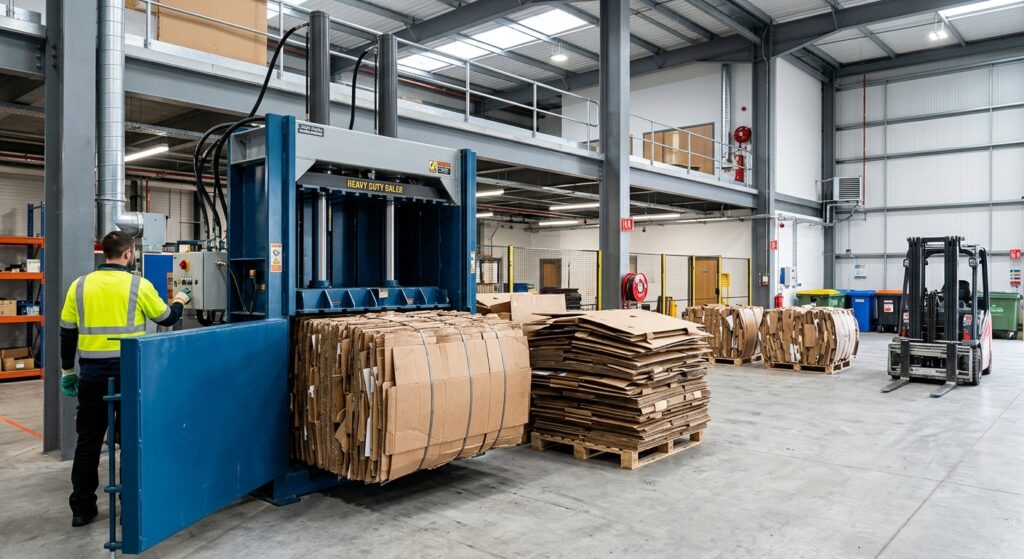
Commercial Cardboard Baler Solutions That Put Boxes In Their Place
A commercial cardboard baler compresses delivery boxes into secured bundles that are easier to store for recycling collection. The right equipment helps employees manage incoming cardboard without letting loose boxes take over the receiving area. At Bay Area Trash Compactor, we help keep recyclable materials out of landfills while making business operations run more efficiently.…
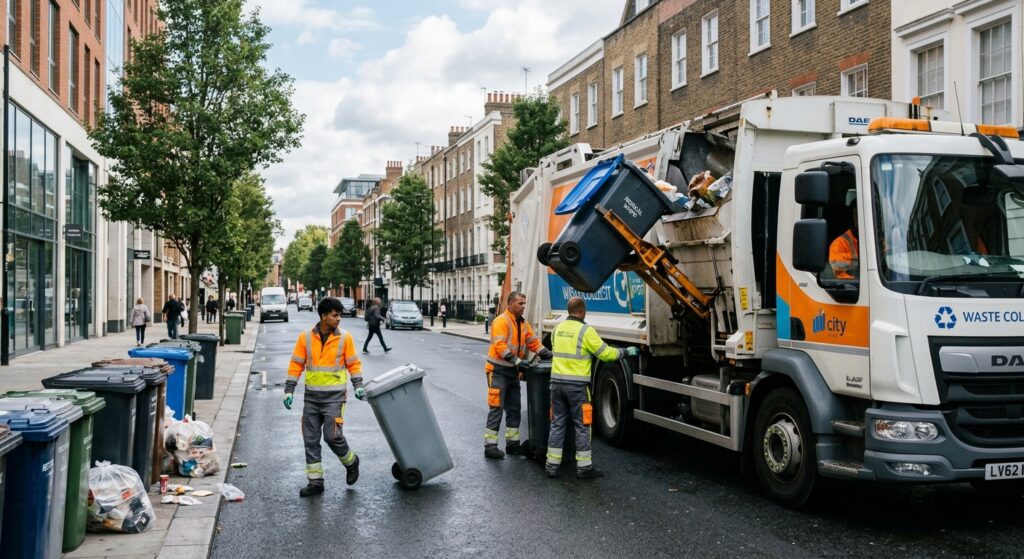
Reduce Waste Collection Costs Without Creating More Work
Businesses can reduce waste collection costs by matching collection frequency to actual waste volume and separating recoverable materials. Properly sized equipment helps store approved waste more efficiently between scheduled pickups. At Bay Area Trash Compactor, our mission is keeping waste out of landfills while helping businesses operate more efficiently. Before you reduce waste collection costs,…
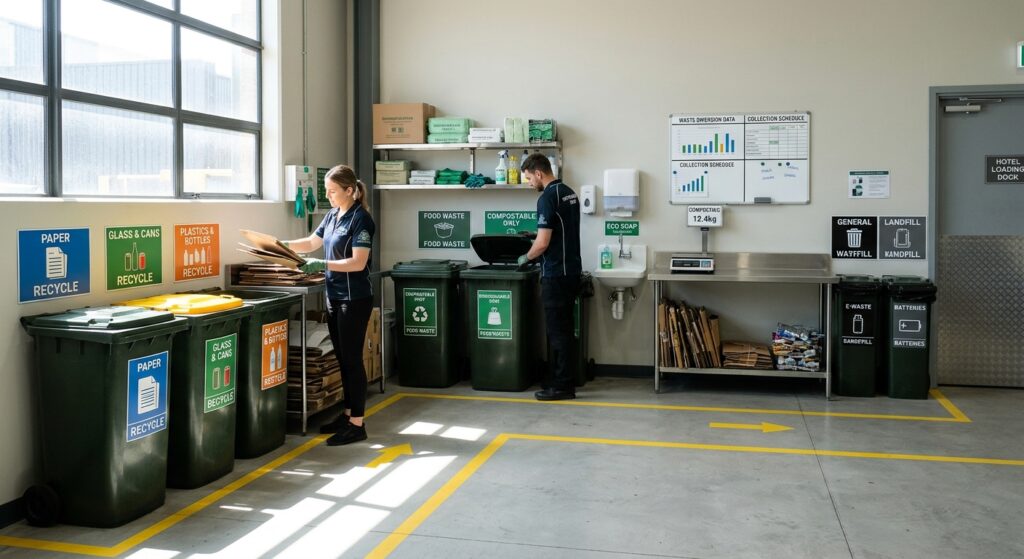
Hotel Waste Management That Protects Your Property And Guest Experience
Hotel waste management connects what happens behind the scenes with the experience guests enjoy throughout their stay. Housekeeping bags and kitchen scraps need dependable disposal routes that keep service areas from becoming crowded. At Bay Area Trash Compactor, we help keep waste out of landfills while making hospitality operations run more efficiently. A practical hotel…
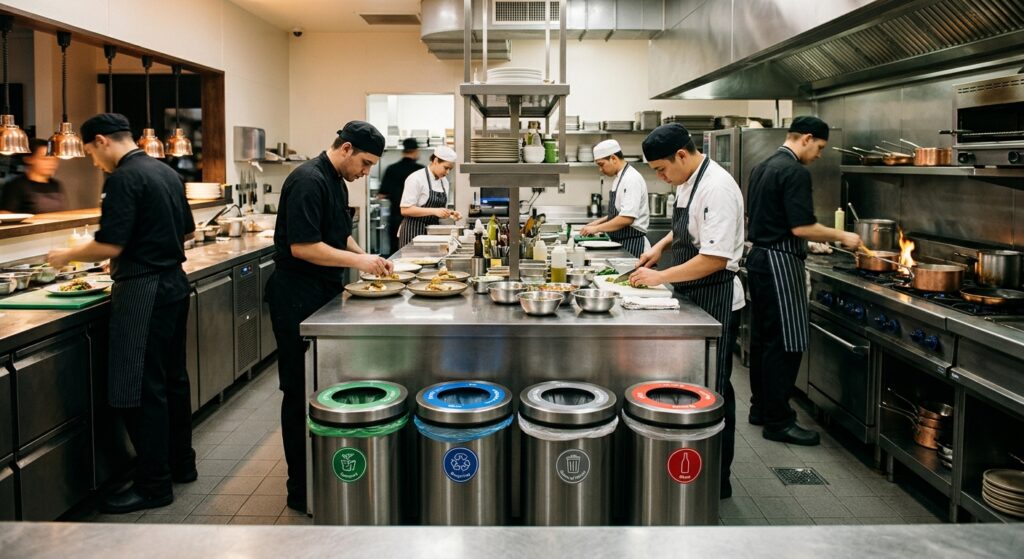
Restaurant Waste Management That Keeps Your Kitchen Moving
Restaurant waste management covers how your business handles food scraps, cardboard, and remaining landfill trash throughout each shift. A practical system keeps materials moving from preparation areas into the right collection containers without creating extra work. At Bay Area Trash Compactor, our mission is keeping waste out of landfills while helping businesses operate more efficiently.…
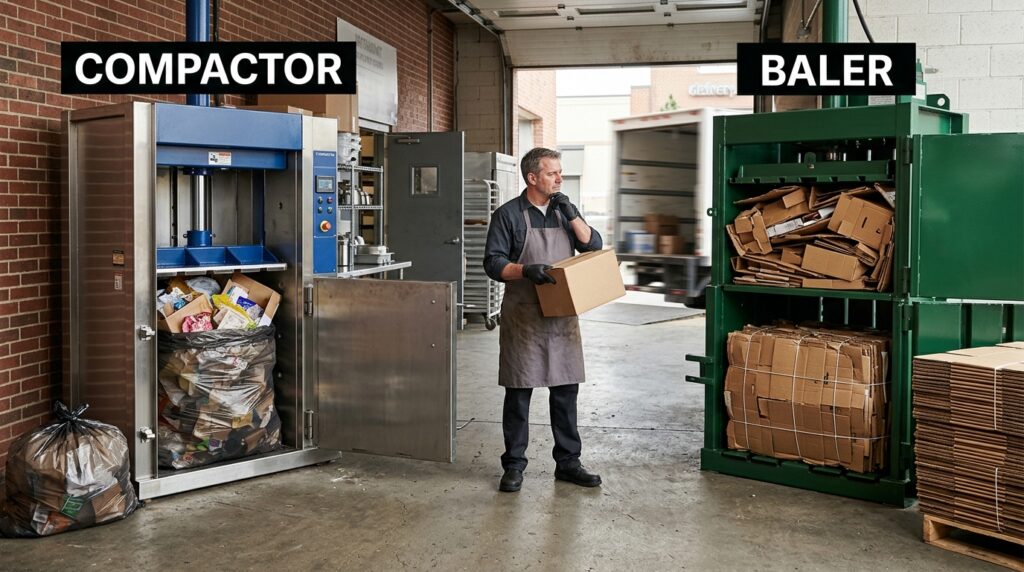
Restaurant Trash Compactor Vs Baler Which Equipment Does Your Kitchen Need
Restaurant trash compactor vs baler decisions become easier when you look at what enters your waste area every day. Mixed kitchen trash, food residue, cardboard deliveries, and plastic film each need a different disposal path. At Bay Area Trash Compactor, we help restaurants keep material out of landfills while making back-of-house work easier. A compactor…
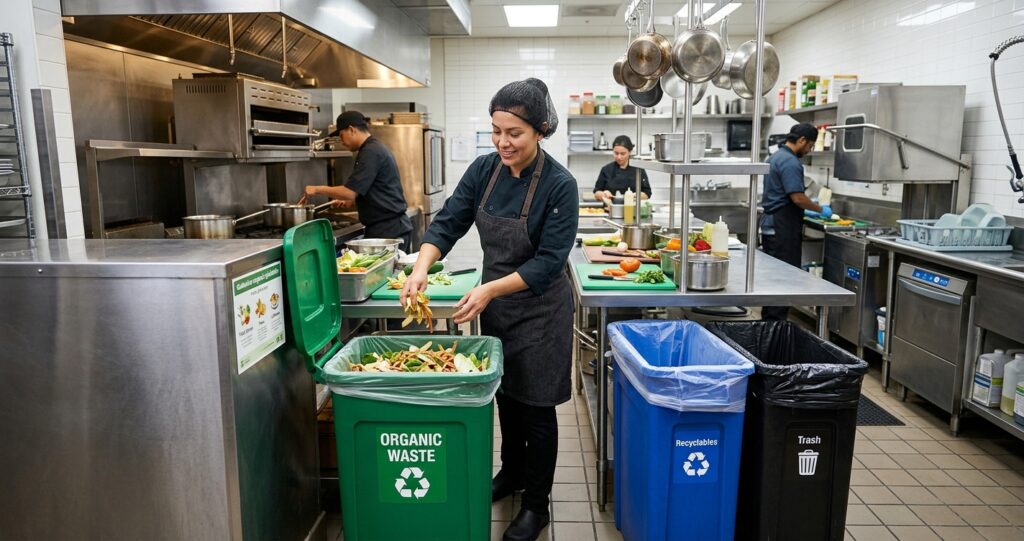
SB 1383 For Restaurants What Food Waste Rules Mean For Your Back Of House
SB 1383 restaurant requirements affect how California food-service businesses handle organics, landfill trash, and edible surplus. Restaurants need practical waste routines that support cleaner sorting without slowing down kitchen work. At Bay Area Trash Compactor, we help restaurants keep waste out of landfills while making busy operations run better. Food waste does not wait for…
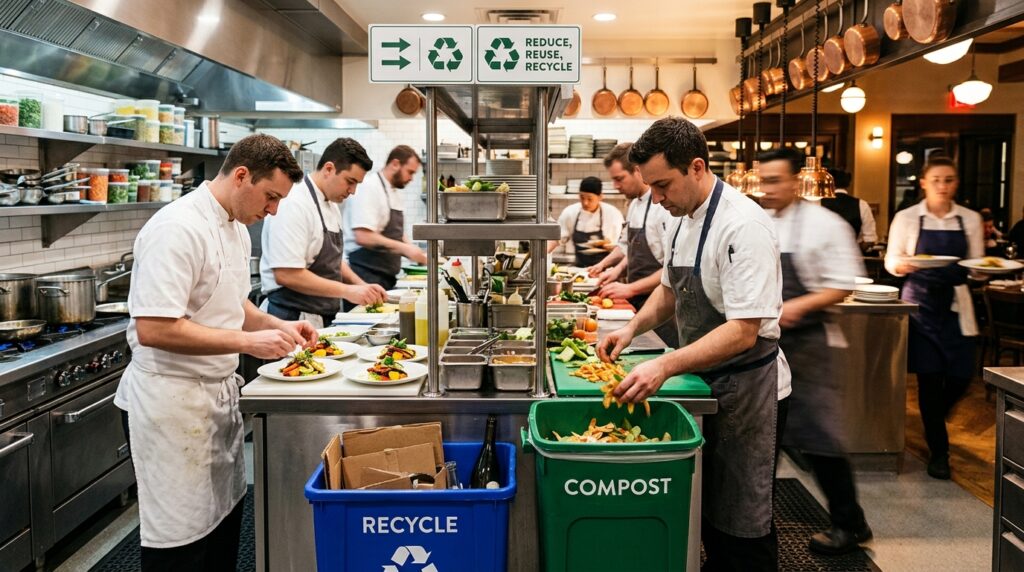
How To Reduce Restaurant Waste Without Slowing Down Service
Learning how to reduce restaurant waste starts with making back-of-house routines easier, not harder. Food scraps, takeout packaging, cardboard, and landfill trash all need a place that makes sense during a busy shift. At Bay Area Trash Compactor, we help restaurants keep waste out of landfills while making daily operations run better. A packed lunch…
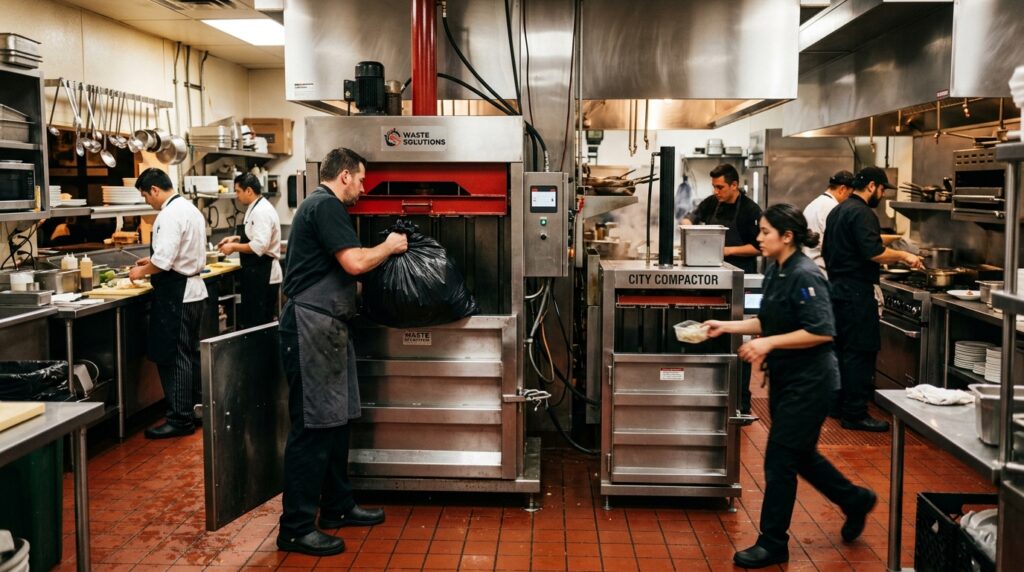
Restaurant Trash Compactor Sizes For Busy California Kitchens
Restaurant trash compactor sizes determine how well a kitchen handles daily waste without overflowing bins or costly extra pickups. The right unit matches bag volume, wet waste, enclosure space, and hauler access. At Bay Area Trash Compactor, we help restaurants keep waste out of landfills while making busy operations run better. A compactor should make…
Cardboard Baler Buyer’s Guide For Businesses
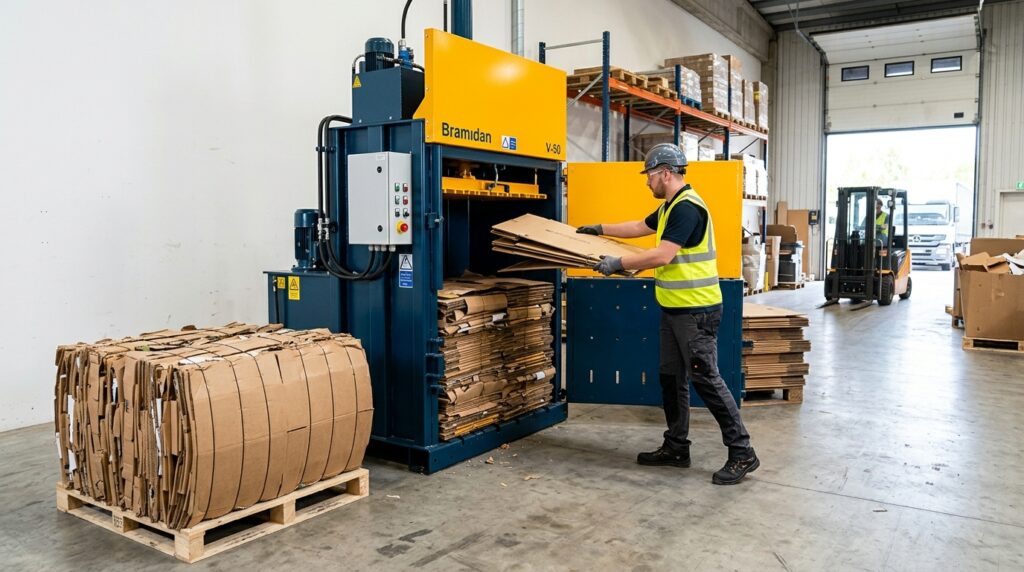
A cardboard baler compresses boxes into dense, stackable bales for recycling. It helps businesses control cardboard buildup, reduce bin needs, save labor, and improve recycling operations. At Bay Area Trash Compactor, we help businesses keep recyclable material out of landfills while making daily operations run better. If cardboard is taking over your receiving area, a…
How Consolidating Waste Pickups Cuts Costs And Keeps Waste Out Of Landfills
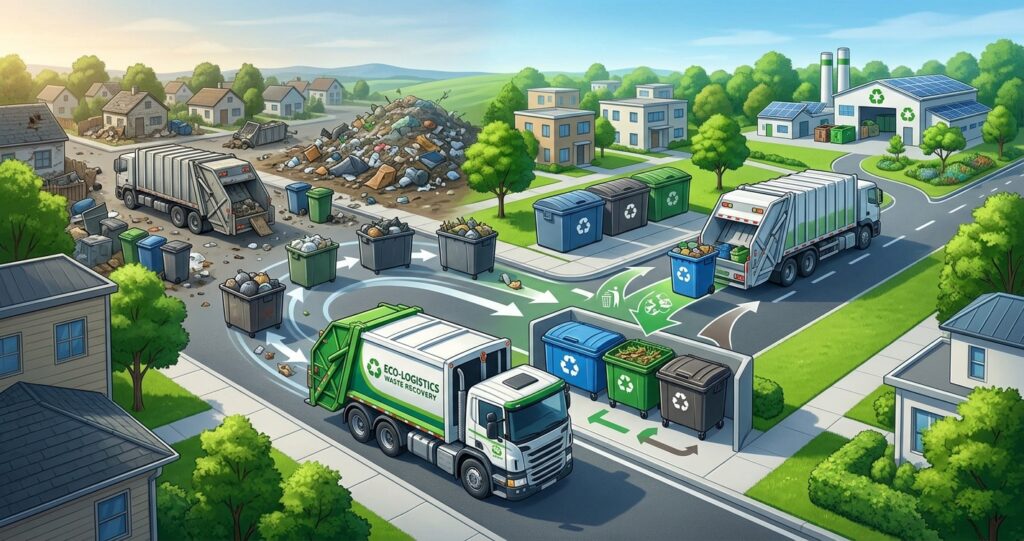
To reduce waste collection costs, businesses need to look beyond the dumpster and focus on pickup frequency. Compaction allows loose material to take up less space, which can reduce hauler visits. Instead of relying on garbage trucks seven days a week, consolidate waste collection into just one pickup. Bay Area Trash Compactor began with a…
COST SAVINGS
35 - 75% on Average.
Emissions Savings
60 - 80% Savings Per Month