
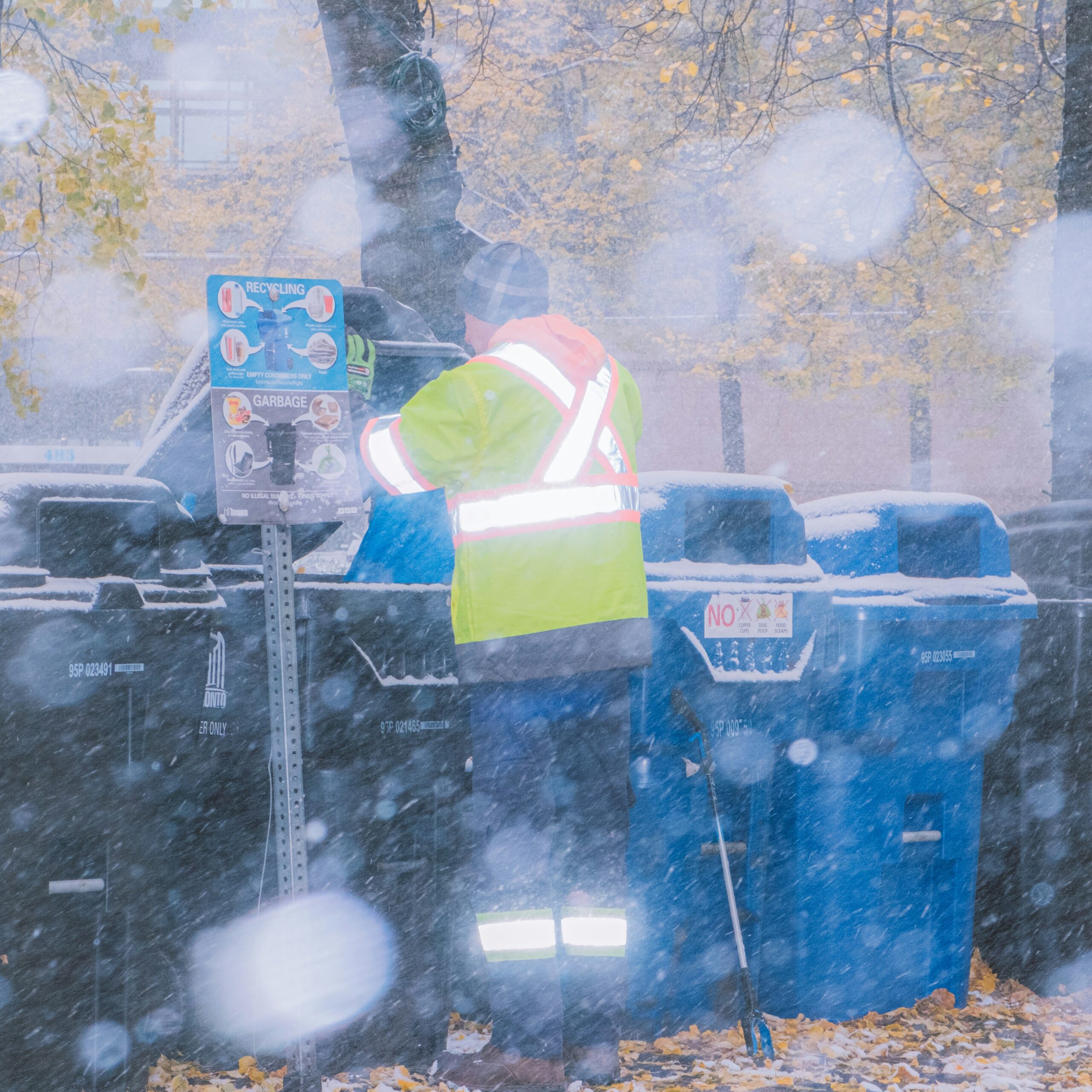
Winter Waste Management: How Bay Area Businesses Keep Trash Under Control in Cold Weather
Winter waste management is one of those things that sneaks up on you. One day the bins are fine, the next they’re frozen shut, waterlogged, or overflowing because a storm delayed pickup. We’ve seen it all from hotels, restaurants, clubs, and offices across the Bay Area, and the pattern is the same: a little prep now saves a lot of mess and money later. Winter waste management isn’t about fancy tricks; it’s about keeping your space clean, safe, and efficient when the weather turns nasty.
Winter Waste Management Starts with the Right Setup
The foundation of good winter waste management is how your bins and equipment are positioned. If containers sit in low spots where water collects, they’ll turn into icy puddles and eventually freeze solid. Move bins away from downspouts, sloped areas, and places where snow piles up. Elevate them slightly if possible, or use pallets so they don’t sit directly in mud and slush. We’ve helped dozens of businesses reposition their bins and compactor locations, and the difference is night and day: fewer frozen lids, less mess, and pickups that actually happen on schedule.
Interlink: If your current setup feels like a winter waste management nightmare, our equipment service team can assess and recommend better placement.
How Winter Weather Wrecks Trash Bins
Rain, sleet, and the occasional frost spell do a number on open-top bins. Water soaks into paper, cardboard, and food waste, turning everything into a heavy, smelly mess. Wet trash is harder to compact, and when it freezes, it can jam compactors or make bins impossible to open. Ice buildup around lids and hinges is a common complaint this time of year, especially in areas that get a rare freeze. Winter waste management means treating your bins like you’d treat any other piece of equipment: keep them covered, drained, and in decent shape so they can handle the season.
Winter Waste Management for Cardboard and Packaging
Cardboard is the backbone of most commercial waste streams, and winter waste management for cardboard comes down to three things: keep it dry, break it down, and bale it when possible. Wet cardboard is a pain to handle, it doesn’t compact well, and it can clog equipment. Store cardboard indoors or under cover until it’s ready to be baled or recycled. If you’re using a baler, run it regularly so you’re not trying to process a week’s worth of soggy boxes all at once. Our B-5 baler is a favorite among small teams because it’s simple to use and keeps cardboard neat and dry, even when it’s pouring outside.
Interlink: Learn about our most popular models and how they handle winter waste management on the news page.
Food Waste and Winter Waste Management
Kitchens and catering operations face their own winter waste management hurdles. Food scraps, grease, and liquids are more likely to freeze or create slippery, smelly messes when the temperature drops. Keep grease traps and food waste bins covered and away from direct rain. If possible, schedule more frequent pickups during cold spells so waste doesn’t sit around long enough to freeze or attract pests. Staff training helps a lot; a quick reminder to scrape bins, keep lids closed, and avoid dumping liquids into dry trash can make a big difference in how smoothly winter waste management runs.
Winter Waste Management and Staff Habits
People are the real key to winter waste management. If staff know how to handle bins in bad weather, the whole system works better. Simple habits like closing lids tightly, breaking down boxes right away, and reporting frozen or damaged bins early can prevent a lot of headaches. A quick huddle or a note on the break room board can go a long way. We’ve worked with spas, clubs, and restaurants where a small shift in routine—like assigning one person to check bins each morning—made winter waste management feel almost effortless.
Winter Waste Management with BATC Equipment
Our compactors and balers are built for the Bay Area’s wet, chilly winters, not just for dry, easy months. A P-4 compactor, for example, keeps trash contained, reduces the number of pickups, and cuts down on overflow and pests. Balers reclaim space and make recycling easier, even when the weather is less than ideal. Winter waste management with BATC equipment means fewer surprises, less mess, and more control over your waste stream. We’ve helped businesses of all sizes adapt their systems so they’re not scrambling when a storm hits or a bin freezes shut.
Interlink: If your current equipment is struggling with winter waste management, schedule a maintenance check to keep it running smoothly.
Winter Waste Management and Pickup Schedules
Pickup schedules can get thrown off by rain, wind, and holiday traffic, so winter waste management includes planning around those disruptions. Work with your hauler to understand how storms might affect service and adjust your internal schedule accordingly. If a storm is forecast, compact or bale early so bins aren’t full when the truck can’t make it. Some of our clients keep a small backup bin or dumpster on hand just in case, and that small buffer can prevent a major overflow. Winter waste management is as much about timing and communication as it is about equipment.
Winter Waste Management for Guests and Tenants
Guests, tenants, and customers don’t always think about winter waste management, but they contribute to the problem. Overflowing bins, open lids, and trash left out in the rain are common issues in shared spaces. Clear signage, covered bins, and a little education can make a big difference. Some hotels and office buildings put up simple reminders near trash areas: “Keep lids closed,” “Break down boxes,” “No liquids in dry bins.” When everyone pitches in, winter waste management becomes a shared responsibility instead of a constant battle.
Interlink: If tenants or guests have questions about proper disposal, they can always contact us for guidance.
Winter Waste Management After the Holidays
The holidays end, but winter waste management doesn’t. Old decorations, packaging, and post‑party cleanup still need to be handled. This is a good time to run a quick audit: what’s working, what’s not, and what needs to change for next year. Winter waste management after the holidays is also the perfect moment to schedule maintenance, clean out bins, and make sure everything is ready for the rest of the season. We’ve helped many businesses use this lull to upgrade equipment or tweak their setup so they’re not caught off guard again.
Interlink: Stay ahead of next season by checking out our latest updates and tips on the news page.
Winter-Proof Your Waste with BATC
Don’t let frozen bins and storm delays wreck your winter waste management. Reach out to Bay Area Trash Compactor for a quick assessment, equipment tune‑up, or a chat about smarter setups before the next big rain hits.
Contents
- Winter Waste Management Starts with the Right Setup
- How Winter Weather Wrecks Trash Bins
- Winter Waste Management for Cardboard and Packaging
- Food Waste and Winter Waste Management
- Winter Waste Management and Staff Habits
- Winter Waste Management with BATC Equipment
- Winter Waste Management and Pickup Schedules
- Winter Waste Management for Guests and Tenants
- Winter Waste Management After the Holidays
- Winter-Proof Your Waste with BATC