
Trash Compactor vs. Baler for Your Bay Area Business
If you manage a property, restaurant, warehouse, or multi-unit complex in the Bay Area, waste builds up fast. Cardboard stacks in back rooms. Trash bins overflow at the worst times. Hauling bills creep higher every quarter. The debate around Trash Compactor vs. Baler usually starts when those problems stop being small and start affecting daily operations.
This guide breaks down what each machine does, where each one works best, and how to decide what makes sense for your facility.
What Trash Compactor vs. Baler Really Means
The conversation around Trash Compactor vs. Baler is less about equipment and more about the type of waste your business produces.
A trash compactor compresses mixed waste. Food scraps, packaging, disposable items, and general trash go in. The machine reduces volume so you need fewer hauls and less dumpster space.
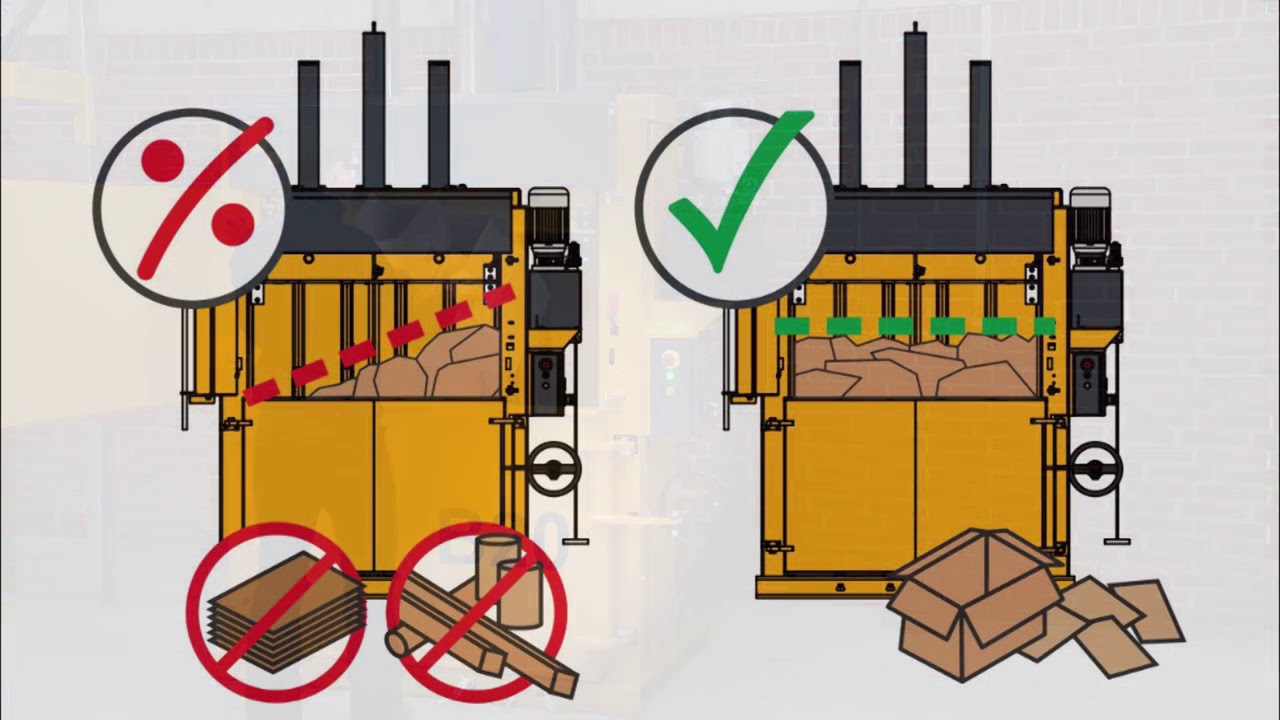
A baler compresses recyclable materials, usually cardboard or plastic film, into tight bundles called bales. Those bales can be stacked, stored, and often sold to recycling facilities.
So the real question is not which machine is better. It is what kind of waste dominates your loading dock.
When a Trash Compactor Makes Sense
Many Bay Area businesses generate mixed waste that cannot be separated easily. Restaurants, hotels, hospitals, apartment complexes, and office buildings fall into this category.
If your waste stream includes food residue, contaminated packaging, or general trash from multiple sources, a compactor helps you control volume. Instead of sending multiple open dumpsters out each week, you compress waste into a contained unit that reduces odor, pests, and clutter.
A compactor also helps with space constraints. Urban properties often have tight service areas. One well-sized compactor can replace several loose dumpsters, freeing up room for deliveries and staff movement.
In the Trash Compactor vs. Baler conversation, this is where compactors shine. They handle the messy, unpredictable mix that most businesses deal with daily.
Maintenance also matters. Heavy use can strain equipment, which is why routine service through a structured program like our maintenance program keeps systems running smoothly and avoids downtime.
When a Baler Is the Better Fit
Now picture a retail store after a shipment day. Cardboard boxes pile up near the stockroom. Warehouses and distribution centers see this at a larger scale. Grocery stores generate stacks of corrugated packaging every week.
This is where balers step in.
Instead of paying to haul loose cardboard, a baler compresses it into dense, manageable cubes. Those bales take up far less space than flattened boxes stacked against a wall. They are easier to transport and often create an opportunity for recycling revenue.
In the Trash Compactor vs. Baler debate, businesses with high cardboard volume lean toward balers because cardboard alone can overwhelm standard waste systems.
Balers also support sustainability goals. Many Bay Area companies aim to increase diversion rates. Keeping cardboard separate and compacted helps improve recycling metrics and reduces landfill use.
Key Differences at a Glance
This is the only place we will use a quick list to keep things simple.
Trash Compactor
- Designed for mixed waste
- Reduces hauling frequency
- Controls odor and pests
- Works well for restaurants, hotels, apartments
Baler
- Designed for recyclable cardboard or plastic
- Creates stackable bales
- Can generate recycling revenue
- Works well for retail, grocery, warehouses
When clients ask about Trash Compactor vs. Baler, we start here. What type of material fills your bins most often? The answer usually guides the decision.
Cost Considerations Beyond the Equipment
It is tempting to focus on the price tag of the machine itself. In reality, the long-term cost impact matters more.
A trash compactor reduces hauling frequency. Fewer hauls often mean lower monthly bills. It also minimizes overflow fines and service interruptions.
A baler may reduce disposal costs by removing recyclable cardboard from your waste stream entirely. In some cases, businesses offset part of their waste budget through recycling rebates.
The Trash Compactor vs. Baler comparison should include hauling contracts, labor time spent breaking down boxes, available storage space, and even safety factors.
If employees spend hours flattening boxes manually, that labor adds up. If dumpsters overflow regularly, that adds up too.
Safety and Workflow Matter
Waste equipment affects more than disposal costs. It shapes how staff move through the space.
Loose cardboard leaning against walls creates fire hazards. Open dumpsters attract pests. Wet trash bags tear and leak.
A compactor contains waste in a sealed environment. A baler organizes recyclables into stable bundles. Both reduce clutter, and both improve safety when installed and serviced correctly.
That is why ongoing inspection through professional equipment service is critical. Equipment that runs smoothly supports your operations. Equipment that breaks down in peak hours causes chaos.
In the Trash Compactor vs. Baler decision, think about workflow. Which machine simplifies daily routines instead of adding steps?
Space Constraints in the Bay Area
Commercial real estate in the Bay Area rarely offers extra square footage. Loading docks are tight. Shared service areas are common.
Compactors consolidate multiple dumpsters into one contained unit. Balers shrink towering cardboard piles into compact stacks.
Some facilities benefit from both. That might surprise you, but in larger operations, a compactor handles general waste while a baler processes cardboard separately.
The Trash Compactor vs. Baler discussion is not always an either-or situation. Sometimes the smartest setup combines both systems for maximum efficiency.
Environmental Goals and Compliance
Waste diversion regulations in California continue to evolve. Businesses are expected to manage organics and recyclables responsibly.
Balers support higher recycling rates by keeping cardboard clean and separated. Compactors reduce waste volume, which can lower overall environmental impact tied to hauling frequency.
If sustainability reporting is part of your organization’s priorities, the right equipment helps support those metrics. We often share updates and industry insights in our news section so facility managers can stay informed about changing expectations.
The Trash Compactor vs. Baler conversation connects directly to long-term environmental planning.
Signs It Is Time to Upgrade
If you are unsure which direction to go, look for these patterns:
- Frequent overflow issues
- Excessive hauling costs
- Large piles of unprocessed cardboard
- Complaints about odor or pests
- Staff spending too much time managing waste manually
These are operational red flags. They point to inefficiencies that equipment can solve.
Sometimes businesses outgrow their current setup. A small dumpster system that worked five years ago may no longer fit current waste volume. Revisiting the Trash Compactor vs. Baler question at that stage often leads to better long-term results.
Real-World Example
A mid-sized hotel in the East Bay struggled with two problems. Food waste from its restaurant overflowed dumpsters, and shipping boxes from regular deliveries stacked up in storage rooms.
At first, management considered only a compactor. After evaluating waste streams, it became obvious that cardboard volume alone justified a baler. The final solution included both units. The compactor handled mixed waste. The baler processed cardboard daily.
Within months, hauling frequency dropped, storage areas cleared up, and staff reported smoother workflows.
That is the kind of practical outcome the Trash Compactor vs. Baler conversation should lead to. Not theory, but real improvement.
Installation and Ongoing Support
Equipment is not a one-time purchase. It is part of your facility’s infrastructure.
Installation must align with site layout, electrical requirements, and safety standards. Ongoing inspections and servicing keep performance consistent and extend lifespan.
If you are evaluating Trash Compactor vs. Baler for your business, speaking with professionals who understand Bay Area property constraints helps avoid costly mistakes. Our team works with property managers, restaurants, warehouses, and retail centers across the region. If you want to talk through your specific setup, you can reach us through our contact page and start with a practical conversation.
Making the Final Decision
By this point, the pattern should be clear. The Trash Compactor vs. Baler choice depends on what fills your waste stream most often.
Mixed waste and food-heavy operations lean toward compactors. High cardboard volume leans toward balers. Larger operations often benefit from both.
The right equipment reduces hauling costs, frees space, improves safety, and supports sustainability goals. It also gives staff one less daily frustration to deal with.
Waste management is not glamorous. But when it works well, you feel the difference across your entire operation.
Waste Systems That Work for You
If you are weighing Trash Compactor vs. Baler and feeling stuck, you are not alone. Many businesses wait until waste becomes a visible headache before acting.
Taking a step back to evaluate your waste profile, space limitations, and long-term goals helps you invest wisely. Equipment should make operations smoother, not more complicated.
Let’s Build a Smarter Waste System
Bay Area Trash Compactor helps businesses find the right balance between efficiency and cost control. If you are ready to explore the best setup for your facility, reach out today and let’s design a solution that works for your space and your budget.
Contents
- What Trash Compactor vs. Baler Really Means
- When a Trash Compactor Makes Sense
- When a Baler Is the Better Fit
- Key Differences at a Glance
- Cost Considerations Beyond the Equipment
- Safety and Workflow Matter
- Space Constraints in the Bay Area
- Environmental Goals and Compliance
- Signs It Is Time to Upgrade
- Real-World Example
- Installation and Ongoing Support
- Making the Final Decision
- Waste Systems That Work for You