
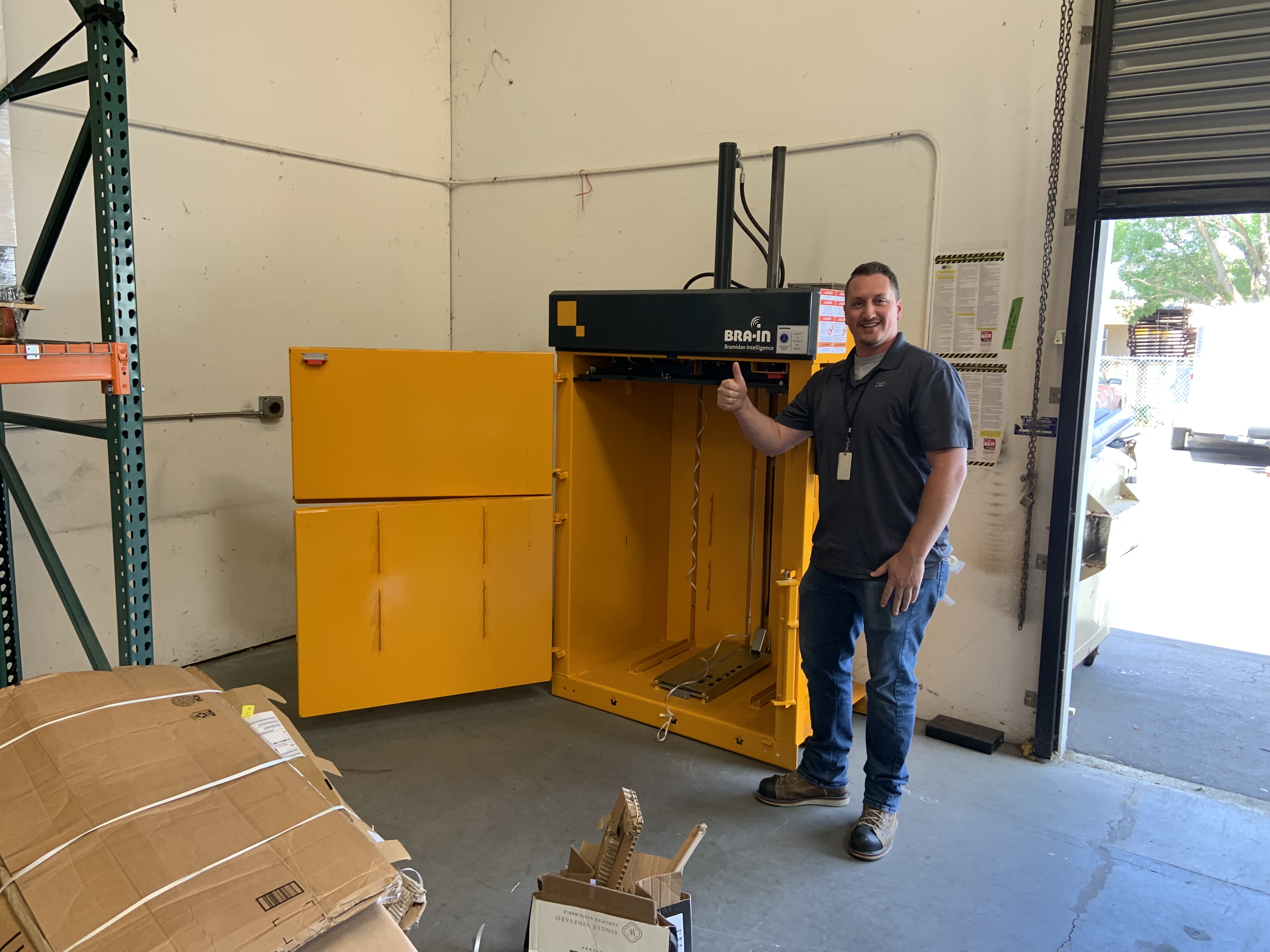
Signs Your Commercial Trash Compactor Needs Repair Before Waste Problems Pile Up
A commercial trash compactor usually runs quietly in the background of a business. Staff toss bags in, the machine compresses waste, and the operation keeps moving. Most people barely think about it until something starts acting strange. When equipment begins to struggle, those early warning signals matter.
Knowing the signs your commercial trash compactor needs repair can save a business from messy service areas, expensive hauling costs, and operational headaches. A small mechanical problem rarely stays small for long.
Signs Your Commercial Trash Compactor Needs Repair
Commercial compactors work hard. Restaurants feed them heavy bags of food waste. Apartment complexes load them with household garbage every day. Retail stores send endless packaging through them. With that kind of workload, wear shows up sooner or later.
The trick is noticing the signs your commercial trash compactor needs repair before the machine shuts down entirely.
Strange Noises During Operation
Most compactors make a steady mechanical sound while running. Staff who hear it every day get used to that rhythm. When a machine suddenly starts clanking, grinding, or making a loud metallic bang, something is wrong.
Hydraulic systems rely on pressure and alignment. A worn component inside the compaction system can throw that balance off. A scraping noise might mean the ram plate is not traveling smoothly. A loud thud may signal loose hardware or internal damage.
Ignoring these noises rarely ends well. A restaurant manager once told us he kept hearing a strange grinding sound for weeks. One morning the compactor jammed halfway through a cycle, leaving the entire loading dock blocked. The repair ended up costing far more than an early service visit.
When those unusual sounds appear, they are among the first signs your commercial trash compactor needs repair.
The Compactor Stops Mid Cycle
A compactor should complete its cycle from start to finish. When the machine stops halfway through compression or fails to reset properly, that interruption points to a deeper issue.
Hydraulic pressure problems often cause this behavior. Electrical faults can also interrupt the cycle. Safety sensors may be triggering repeatedly if something inside the machine is out of alignment.
Staff often try the same trick in this situation. They turn the unit off, wait a moment, then switch it back on again. Sometimes that works temporarily, though the underlying problem remains.
Repeated cycle interruptions stand out as clear signs your commercial trash compactor needs repair, and delaying service often leads to complete shutdown.
Hydraulic Fluid Leaks
Hydraulic systems power the compaction process. If fluid begins pooling beneath the machine, the system cannot maintain the pressure needed for normal operation.
Leaks appear for several reasons. Seals wear down. Hydraulic hoses crack with age. Connection points loosen over time.
Once fluid escapes the system, compaction strength drops. Waste begins piling up because the ram plate no longer compresses material fully.
When facility managers spot fluid on the ground near the equipment area, they often assume someone spilled something. A closer look usually reveals the truth. Fluid leaks are classic signs your commercial trash compactor needs repair and should never be brushed aside.
Regular inspection through a structured service program helps catch these problems early. Businesses that enroll in a professional maintenance program often avoid emergency breakdowns because small issues are discovered during routine checks.
Waste Is Not Compressing Properly
A compactor that no longer compresses waste efficiently creates immediate operational problems. Bags stack up faster, the container fills sooner, and hauling frequency rises.
Sometimes the cause lies in the hydraulic system losing pressure. Other times the ram plate or motor components have worn down.
Facility teams notice the change quickly. What used to hold several days of trash now fills within hours. That shift almost always points to mechanical trouble.
Poor compression performance stands among the most common signs your commercial trash compactor needs repair.
Strong Odors Around the Compactor Area
Waste areas never smell like roses, though a sudden increase in odor can signal trouble. When compactors stop compressing correctly, waste sits loosely inside the container.
Loose trash holds more air pockets. Those pockets trap organic material that begins to break down faster. The smell spreads through loading docks and service corridors.
Businesses that rely on compactors to control odor notice the difference quickly. Strong smells coming from the compactor zone can indicate that the machine is no longer performing its job correctly.
For property managers and restaurant operators, unpleasant odors are more than an inconvenience. They affect staff working conditions and can attract pests.
That situation often begins with overlooked signs your commercial trash compactor needs repair.
Visual Clues Around the Equipment
Sometimes the machine tells its story through simple visual cues. Staff walking past the compactor area every day may notice subtle changes that signal mechanical trouble.
These observations are often overlooked because the machine still runs. Paying attention to small details can stop a problem from growing.
- Bent or misaligned compactor doors
- Excessive trash buildup near the loading area
- Slow movement during compaction cycles
- Control panel lights flashing unexpectedly
Each of these conditions can point to developing mechanical problems. Maintenance technicians see these patterns regularly during service calls. When equipment receives routine inspections through professional equipment service, technicians can correct many of these problems before operations suffer.
Visual warnings are another group of signs your commercial trash compactor needs repair.
Electrical Problems That Should Not Be Ignored
Compactors rely on electrical components to control their operation. Wiring, switches, control panels, and safety sensors all work together to keep the system running.
When electrical faults begin appearing, the machine may behave unpredictably. Staff might notice the control panel failing to respond. The compactor might activate inconsistently. Lights may flicker on the interface panel.
Electrical faults can appear small at first. A button that works every other time might seem harmless. Over time the fault spreads through the system and interrupts normal operation.
Experienced technicians often trace these issues to worn wiring, damaged connectors, or control board problems. Each of these electrical glitches belongs on the list of signs your commercial trash compactor needs repair.
Rising Hauling Costs
Not every warning sign comes from the machine itself. Some show up in monthly invoices.
When compactors stop compressing waste effectively, hauling companies need to make more frequent pickups. A property that once scheduled two hauls per week might suddenly need four.
That change raises disposal costs quickly. Many property managers notice the financial impact before they realize the compactor is underperforming.
When waste hauling expenses rise without explanation, it may indicate one of the hidden signs your commercial trash compactor needs repair.
How Routine Service Helps Avoid Major Breakdowns
Compactors operate in demanding environments. Moisture, heavy loads, and constant use wear on mechanical systems over time. Waiting until equipment fails completely often leads to emergency repairs and operational disruptions.
Regular inspection and servicing help identify early warning signs. Hydraulic pressure tests, motor inspections, and safety checks keep machines functioning as intended.
Businesses that keep up with service appointments rarely face sudden shutdowns. Technicians can detect developing problems long before they affect daily operations. Industry updates and maintenance insights are often shared through resources like the company news section, where facility managers can stay informed about equipment care.
Spotting the signs your commercial trash compactor needs repair early protects both equipment and workflow.
Why Acting Early Matters
Waste equipment may not seem like a top priority during a busy workday. Staff have deliveries to manage, customers to serve, and countless other tasks competing for attention.
Still, ignoring equipment problems leads to operational headaches that grow larger over time. Overflowing waste areas create safety hazards and sanitation concerns. Equipment failure can halt business routines entirely.
Catching the signs your commercial trash compactor needs repair early helps businesses avoid those disruptions. It keeps waste areas organized, reduces hauling costs, and maintains smooth operations behind the scenes.
Keep Your Waste Equipment Working
Don’t Let Small Issues Turn Into Big Repairs
If you notice unusual sounds, leaks, or poor compaction performance, it may be time to bring in professionals. Bay Area Trash Compactor works with businesses across the region to keep waste equipment running safely and efficiently. Reach out through our contact page and we will help you schedule a service check before small issues grow into major repairs.