
Baler vs Compactor: What’s the Difference for Your Business?
Waste piles up fast. Cardboard boxes stack to the ceiling, trash bins overflow, and hauling costs keep climbing. That’s usually when a business starts looking at equipment like balers and compactors. The problem? Most people aren’t sure which one they actually need. This article breaks down a baler vs compactor in plain English, showing what each does, where each works best, and how to decide which one will save your business the most money.
What Is a Baler?
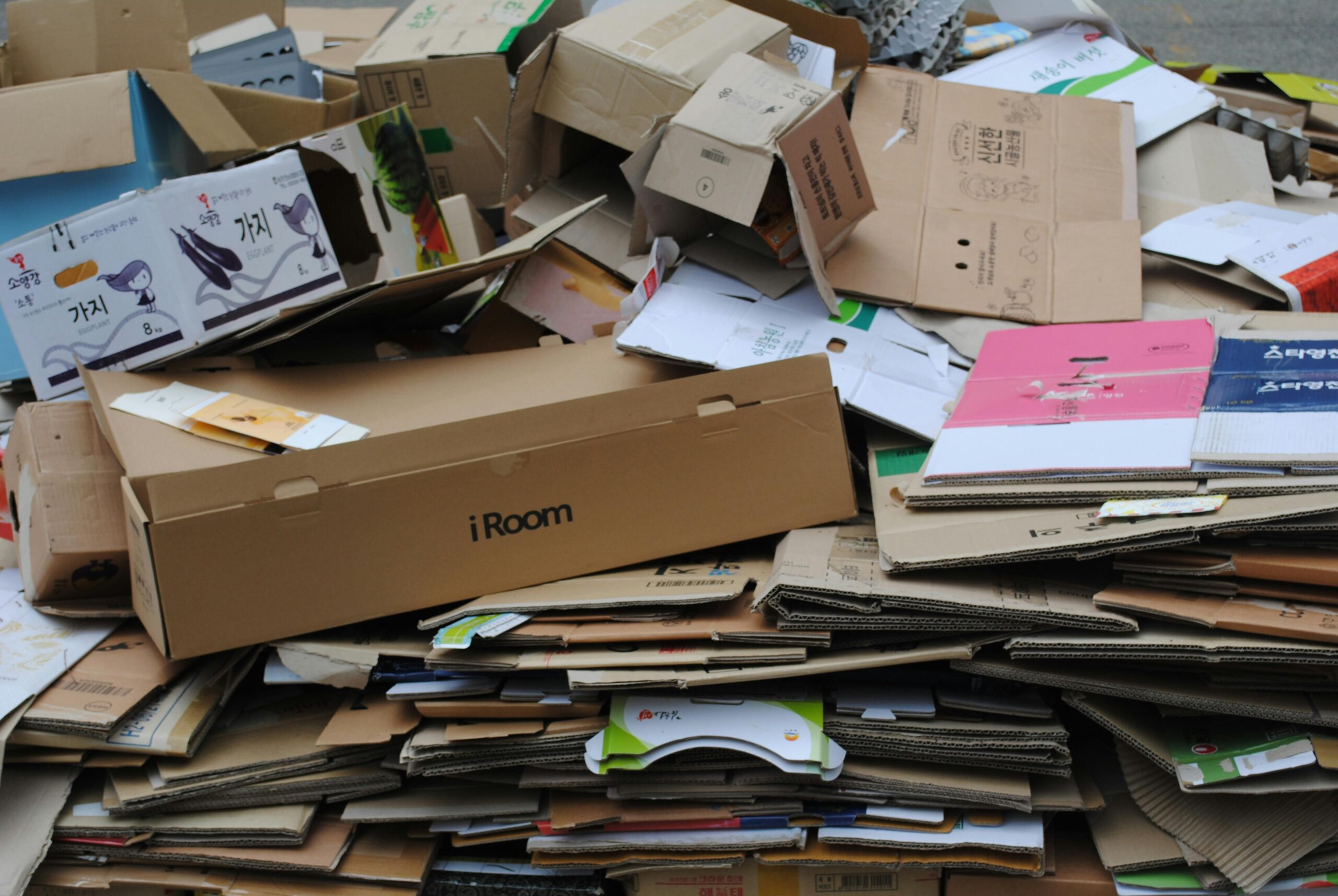
A baler is all about recyclables. Think of the mountains of cardboard, shrink wrap, and plastic that pile up in warehouses, retail stores, or shipping centers. Instead of tossing it all into dumpsters, a baler compresses those loose materials into dense, stackable bales.
Why does this matter?
- Bales take up far less space than loose boxes and plastic.
- They’re easier to store and transport.
- In many cases, they can be sold to recyclers, turning what used to be waste into a new revenue stream.
But a baler also plays a key role in waste diversion. By baling materials like cardboard, shrink wrap, and even paper towels from restrooms, businesses can keep large volumes of material out of landfill. These items can be redirected into recycling or composting streams, supporting sustainability goals and reducing overall waste hauling.
For businesses with steady streams of recyclable or compostable materials, a baler isn’t just a waste solution. It’s a practical way to reduce landfill waste, improve recycling rates, and cut costs.
What Is a Compactor?
A compactor deals with the stuff you can’t recycle. This is the messy, mixed trash. Restaurants, apartment complexes, and manufacturers use them to crush food scraps, packaging, and general garbage into smaller, denser loads.
Why is that useful?
- Less volume means fewer pickups and lower hauling bills.
- Trash areas stay cleaner and more organized.
- Staff spend less time dealing with overflowing bins.
Compactors also support waste diversion programs when paired with balers. Once recyclables and compostable materials have been removed, compactors can be used to manage what’s left, primarily landfill and compost-bound waste such as pizza boxes, paper plates, and coffee cups. This separation makes it easier for businesses to track, manage, and reduce their landfill footprint over time.
If your biggest headache is overflowing dumpsters and constant trash pickups, a compactor is the tool that keeps waste under control and costs in check. The downside to this is the smell. If you’re considering a compactor, check out this article here for ways to manage unpleasant odors.
Key Differences at a Glance: Baler vs Compactor
The easiest way to explain a baler vs compactor is to look at the job each one does.
A baler handles recyclables. If your business generates stacks of cardboard, piles of shrink wrap, or bins of plastic, a baler presses those loose materials into tight bales. The result is easier storage, less clutter, and in many cases extra revenue from selling the bales to recyclers.
A compactor is built for trash. It crushes mixed garbage, food waste, and packaging into smaller loads. That means fewer dumpster pickups, lower hauling costs, and cleaner trash areas that staff do not have to constantly manage.
Put simply:
- A baler is the right choice when recyclables are your main challenge.
- A compactor is the right choice when general trash is overwhelming your business.
- Some companies, like grocery stores or distribution centers, often benefit from using both.
Which One Do You Need?
The right choice depends on the kind of waste your business produces most.
If your back room is overflowing with cardboard boxes, shrink wrap, or other recyclables, a baler will make the biggest impact. It turns that clutter into compact bales that free up space and can often be sold to recycling companies.
If your problem is constant trash pickups or dumpsters that fill up too quickly, a compactor is the smarter choice. By reducing the volume of food waste and compostable materials, you cut down on hauling costs and keep waste areas cleaner.
Some businesses need both. A grocery store, for example, will produce large amounts of cardboard along with organic and landfill waste. A balanced setup might include a baler for recyclables and a compactor for compost and trash.
Think about where your biggest costs and environmental impacts are. That will tell you whether a baler, a compactor, or a combination of the two makes the most sense.
Costs and ROI
Both balers and compactors require an upfront investment, but the way they save money is different.
A baler helps your business earn back costs through recycling. Cardboard and plastics that used to take up space and get hauled away can now be bundled into bales and sold. Over time, the revenue plus the savings on reduced dumpster use can add up.
A compactor saves money by cutting down on waste pickups. Fewer hauls mean lower monthly bills from your waste service. Many businesses see the equipment pay for itself in reduced hauling costs within a few years.
Buying isn’t the only option. Leasing or renting equipment can make the numbers easier for businesses that want the benefits without the heavy upfront cost.
The exact return on investment depends on how much waste you produce, how often you’re paying for trash service, and whether recyclables are a major part of your waste stream.
Common FAQs: Baler vs Compactor
Can you recycle with a compactor?
Not really. Compactors are designed for mixed trash. Once cardboard or plastic goes in, it usually cannot be separated out for recycling.
Is a baler more expensive than a compactor?
Costs vary depending on size and type. In general, balers and compactors are priced similarly, but the savings or revenue they generate comes from different places.
Can a small business use a baler?
Yes. Even small retail stores and restaurants use compact balers for cardboard and plastics. The right size depends on your waste volume.
How much space do these machines need?
Balers and compactors both come in different footprints. Vertical models take up less space and work well indoors. Larger horizontal units are better for high-volume operations with loading docks or outdoor space.
Do I need both a baler and a compactor?
Some businesses do. A grocery store is a good example: tons of cardboard from shipments plus food and general trash. One machine won’t cover it all.
Making the Right Choice For Your Business
Balers and compactors may look similar, but they solve very different problems. A baler is best when your business produces a steady stream of recyclables like cardboard and plastic. A compactor is the right fit if overflowing trash bins and constant hauling costs are the bigger headache. Some businesses benefit from both, depending on their waste mix.
The key is matching the right equipment to your waste stream. Doing so saves money, keeps your operation cleaner, and in some cases even creates a new source of revenue.
Ready to figure out the best solution for your business? Contact BATC for a consultation and find out whether a baler, a compactor, or both will give you the biggest return.